
Images
Works
Press
Press Release
The term “heterotopia” was coined by the French philosopher Michel Foucault to describe spaces that contain multiple layers of meaning within themselves. What characterizes heterotopias is their ability to connect different spaces and temporalities. They can encompass overlapping realities that are often contradictory or incompatible, bringing together diverse social, cultural, and historical dimensions within a single place.Heterotopic spaces are simultaneously real and imaginary, material and symbolic. By questioning established orders and boundaries, they open up alternative spaces for thought and experience. They challenge dominant structures and norms, thereby creating spaces for reflection, shifts in perspective, and transformation.
In the context of today’s world, these ideas gain particular relevance in light of growing geopolitical tensions, where competing narratives and power structures collide within shared global spaces. The climate crisis similarly produces heterotopic conditions, as different temporalities, urgent future scenarios and delayed political action, overlap and compete with one another. At the same time, exponentially accelerating technological developments, particularly in the field of artificial intelligence, are generating new hybrid spaces that integrate numerous new layers of meaning while simultaneously erasing older ones.
Recent advances in space technology are opening up a new heterotopic orbit. Future space stations and possible settlements on the Moon or Mars may emerge as radically new liminal spaces, places where earthly orders, political systems, and cultural imaginaries continue in altered form or are renegotiated from the ground up. Outer space thus becomes a dimension in which the familiar and the unknown, the real and the imaginary converge in unprecedented ways.
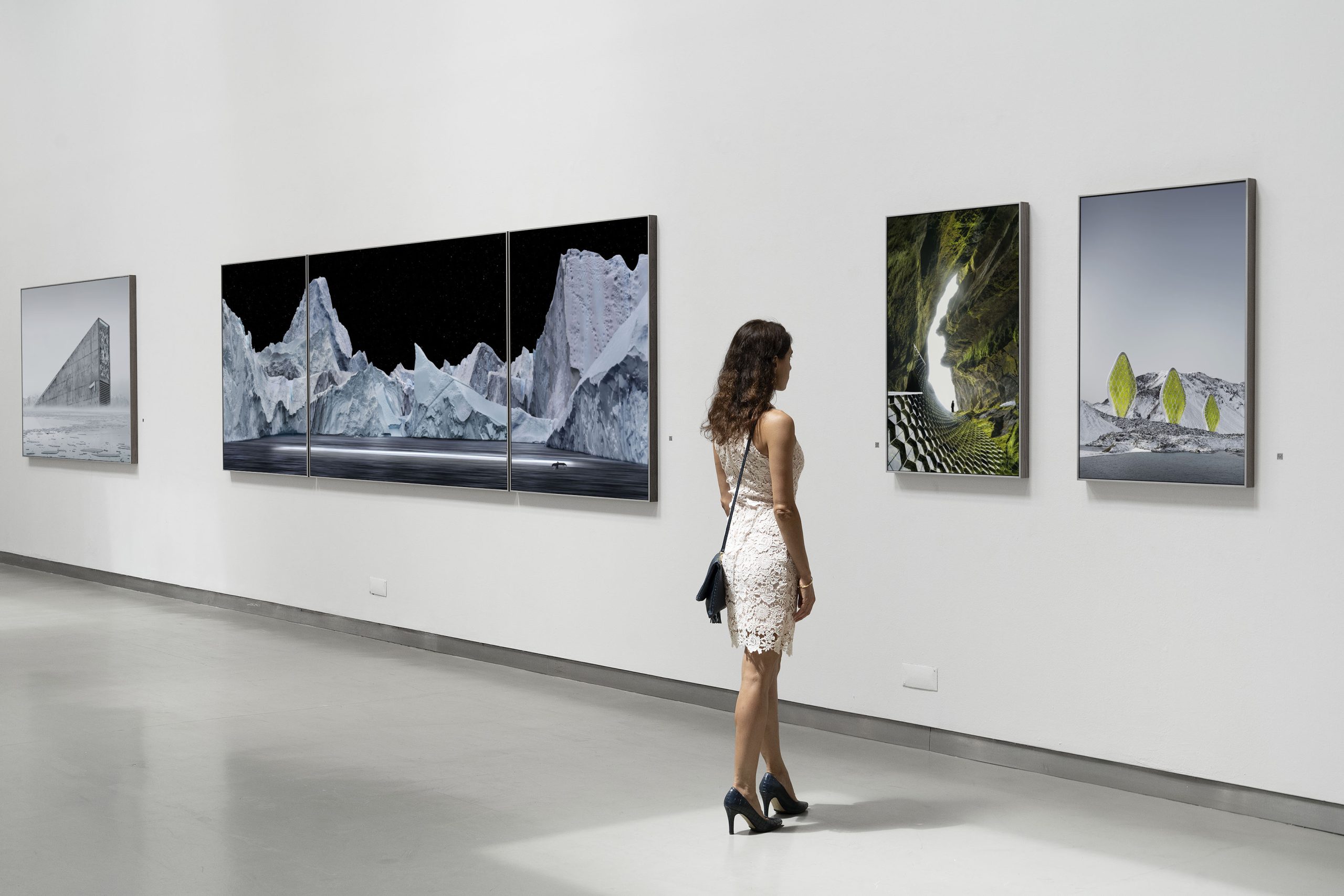
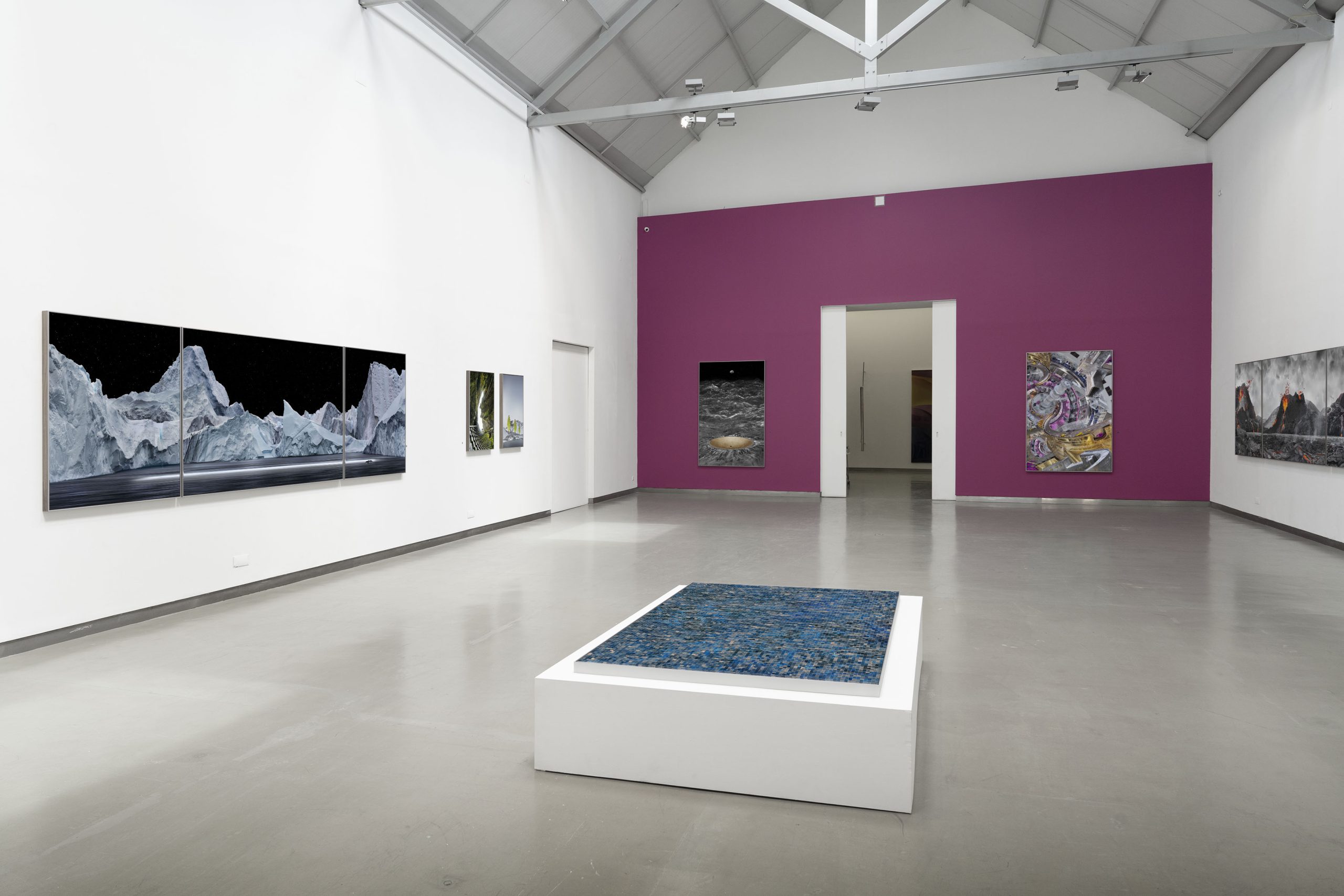
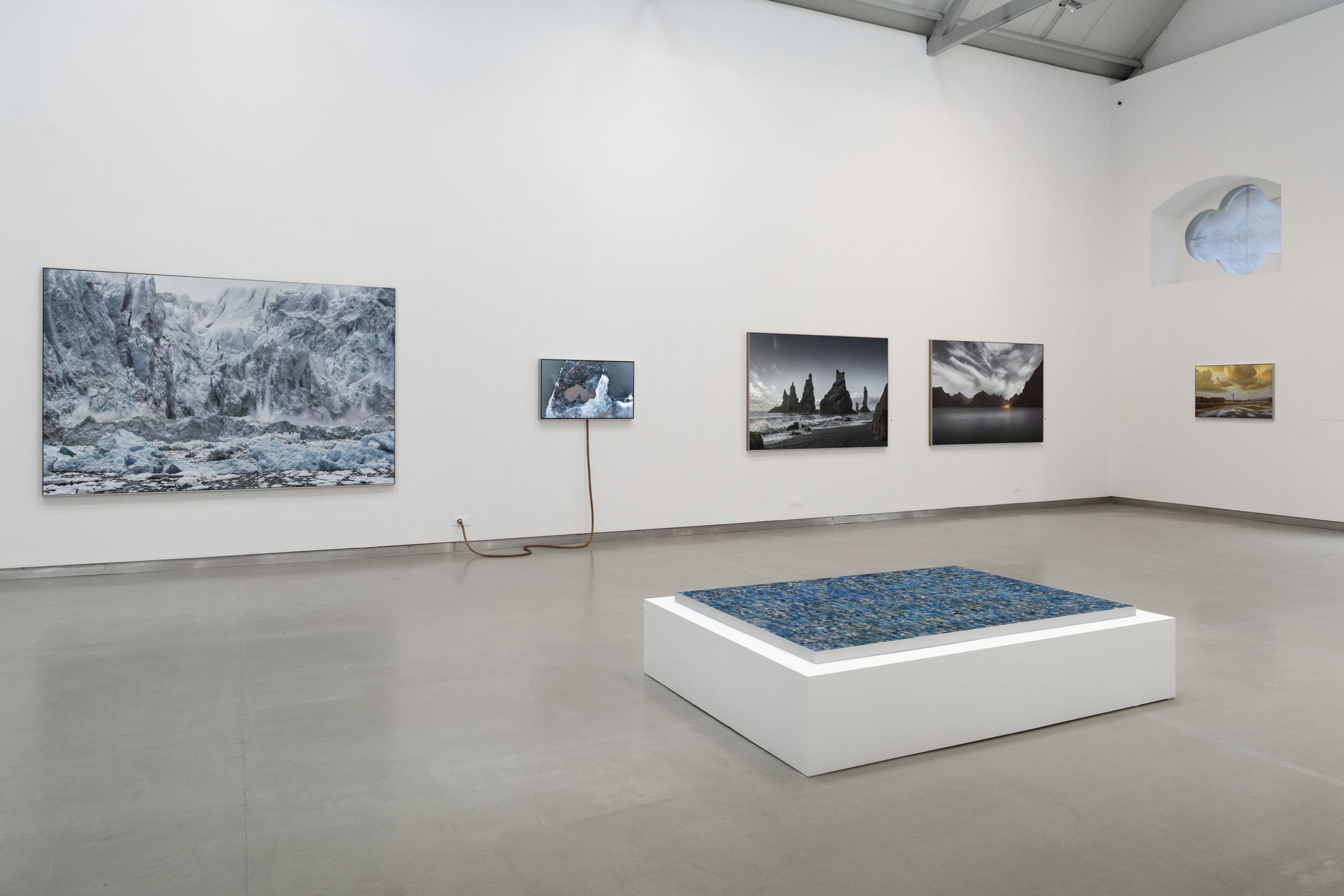
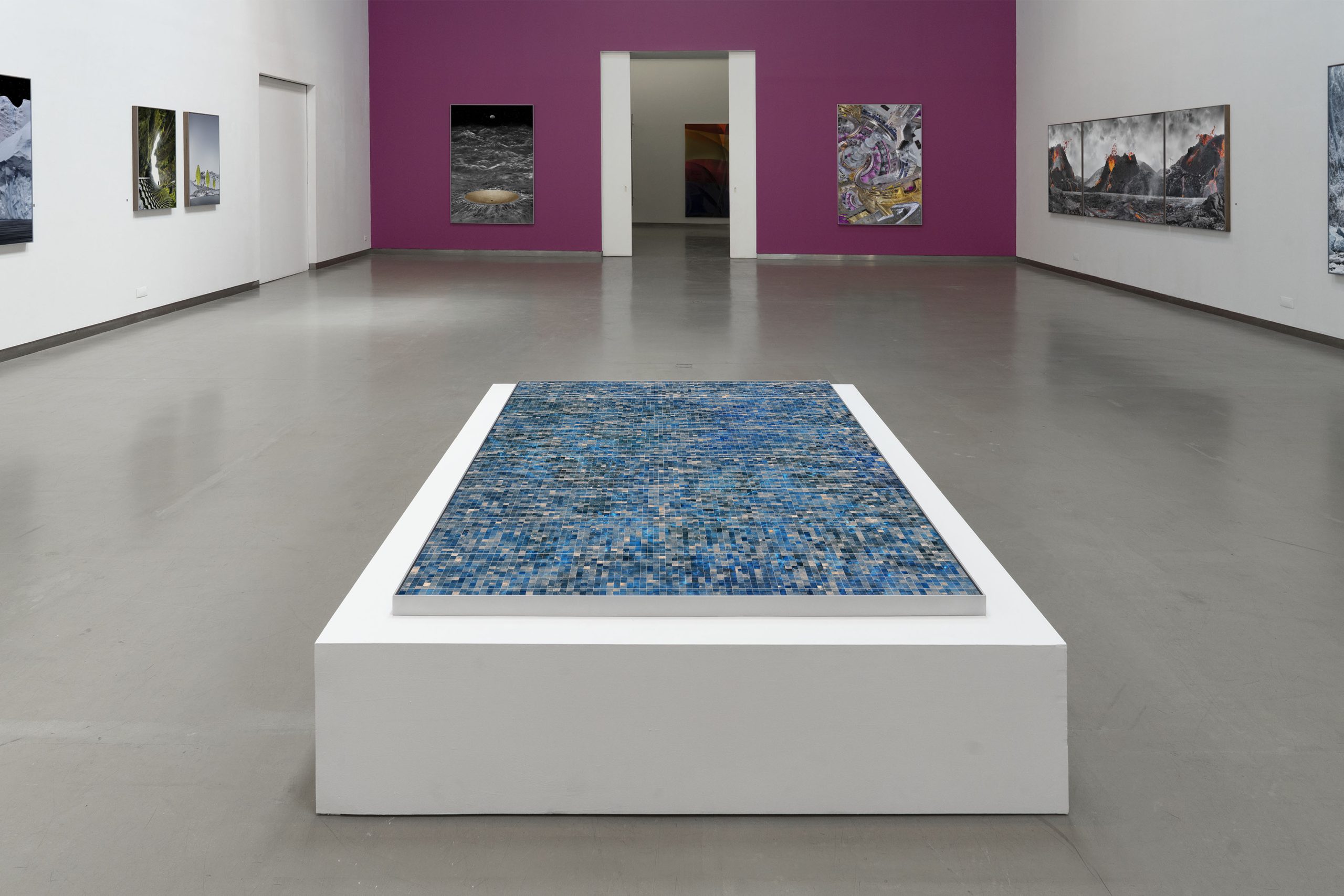
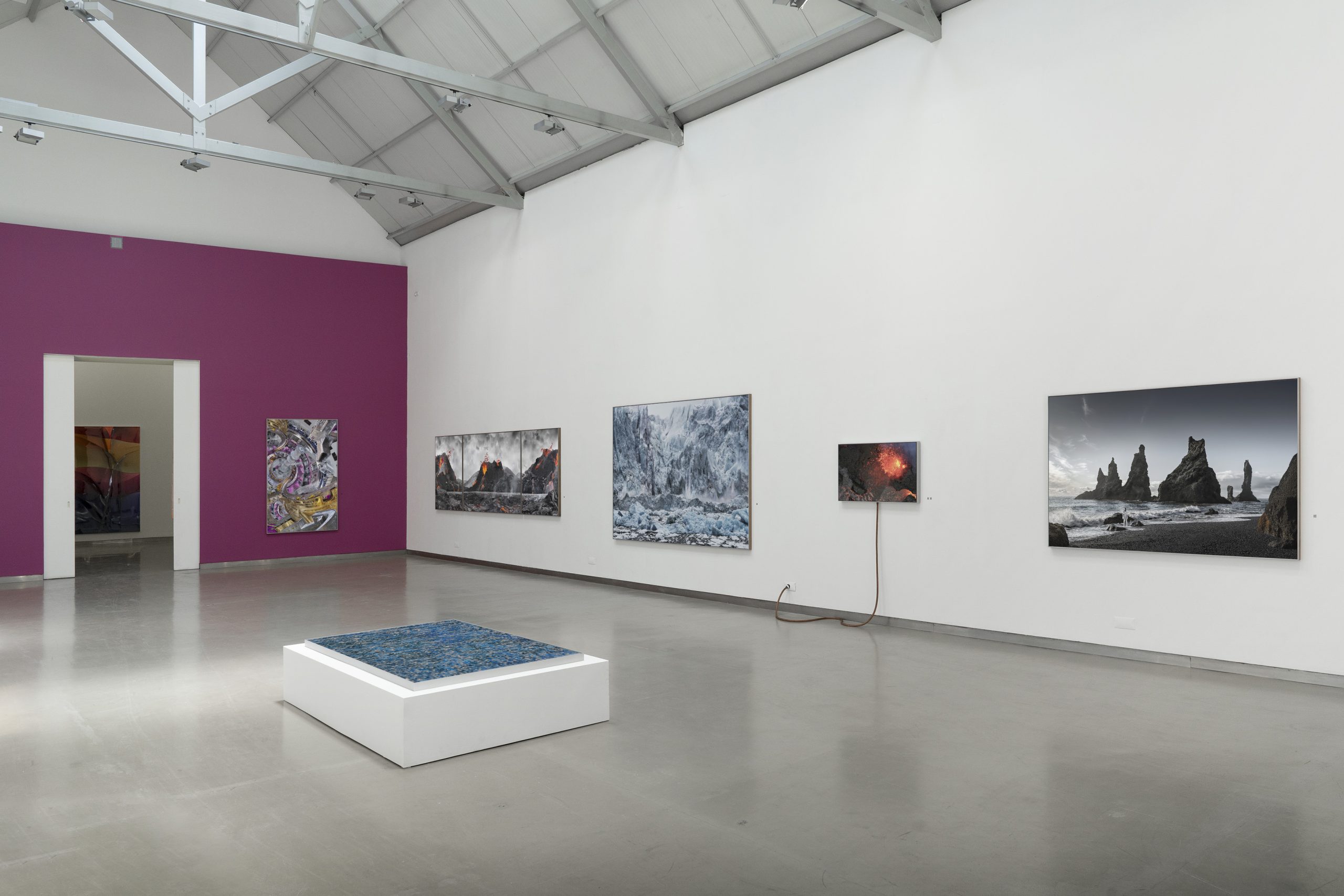
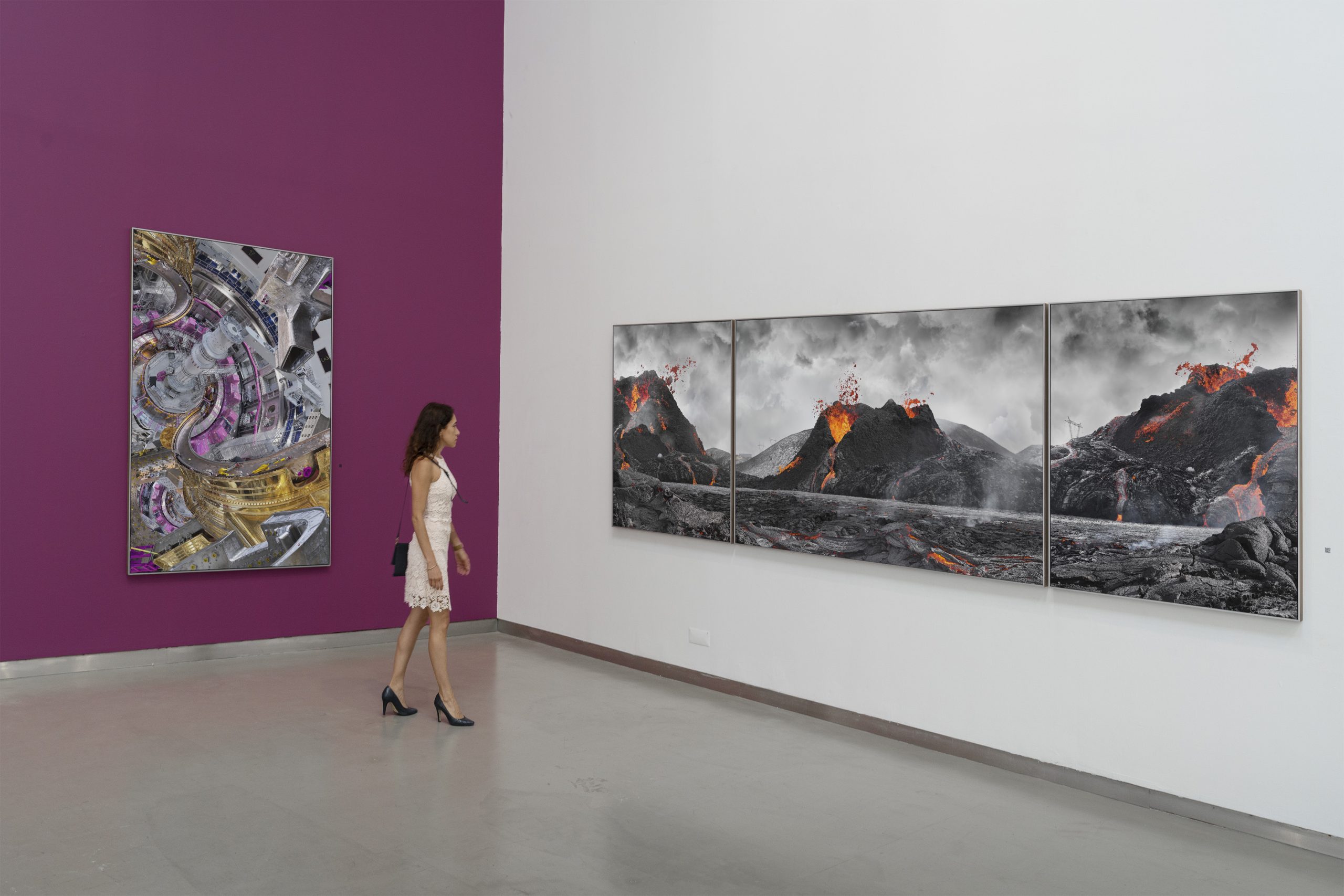
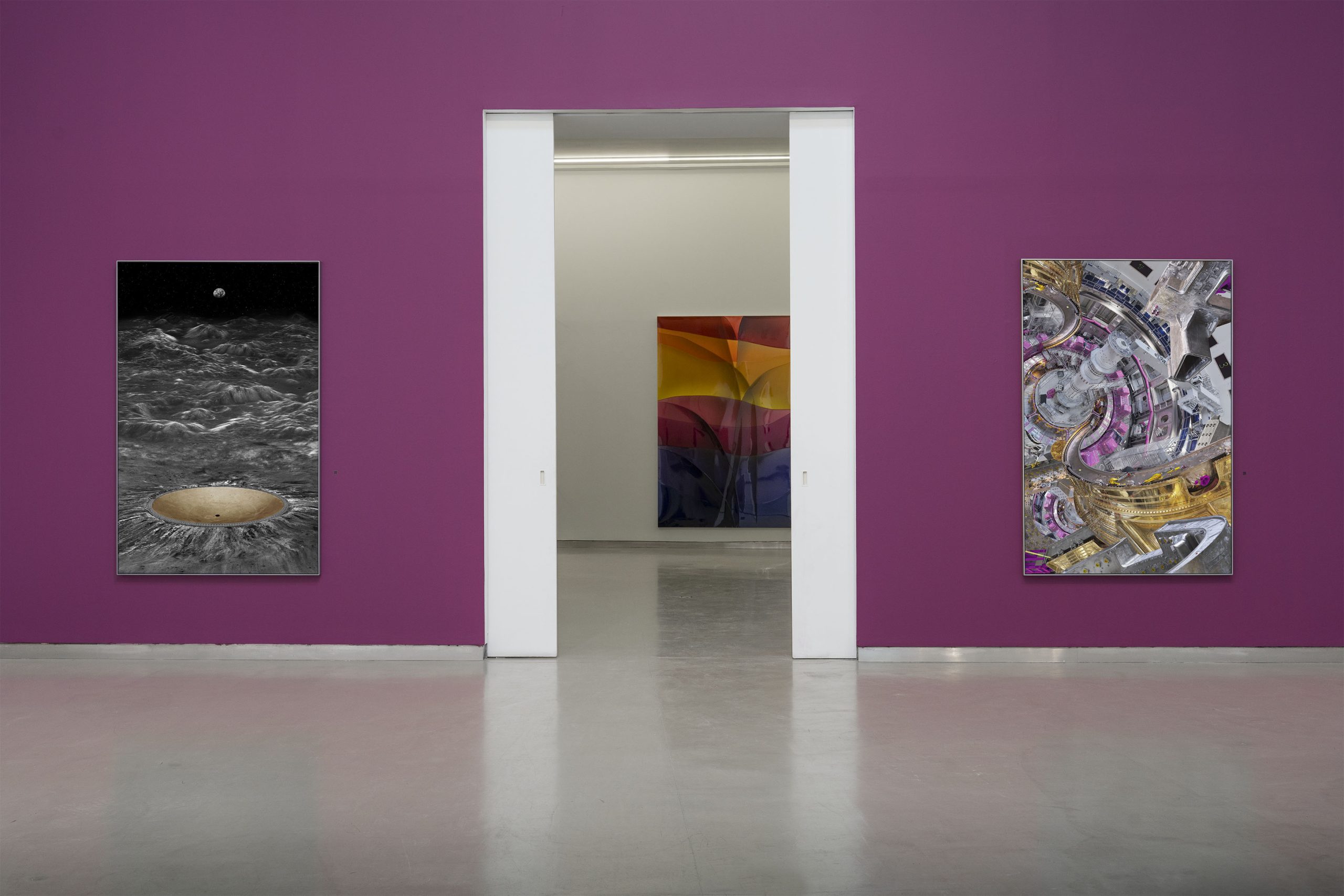
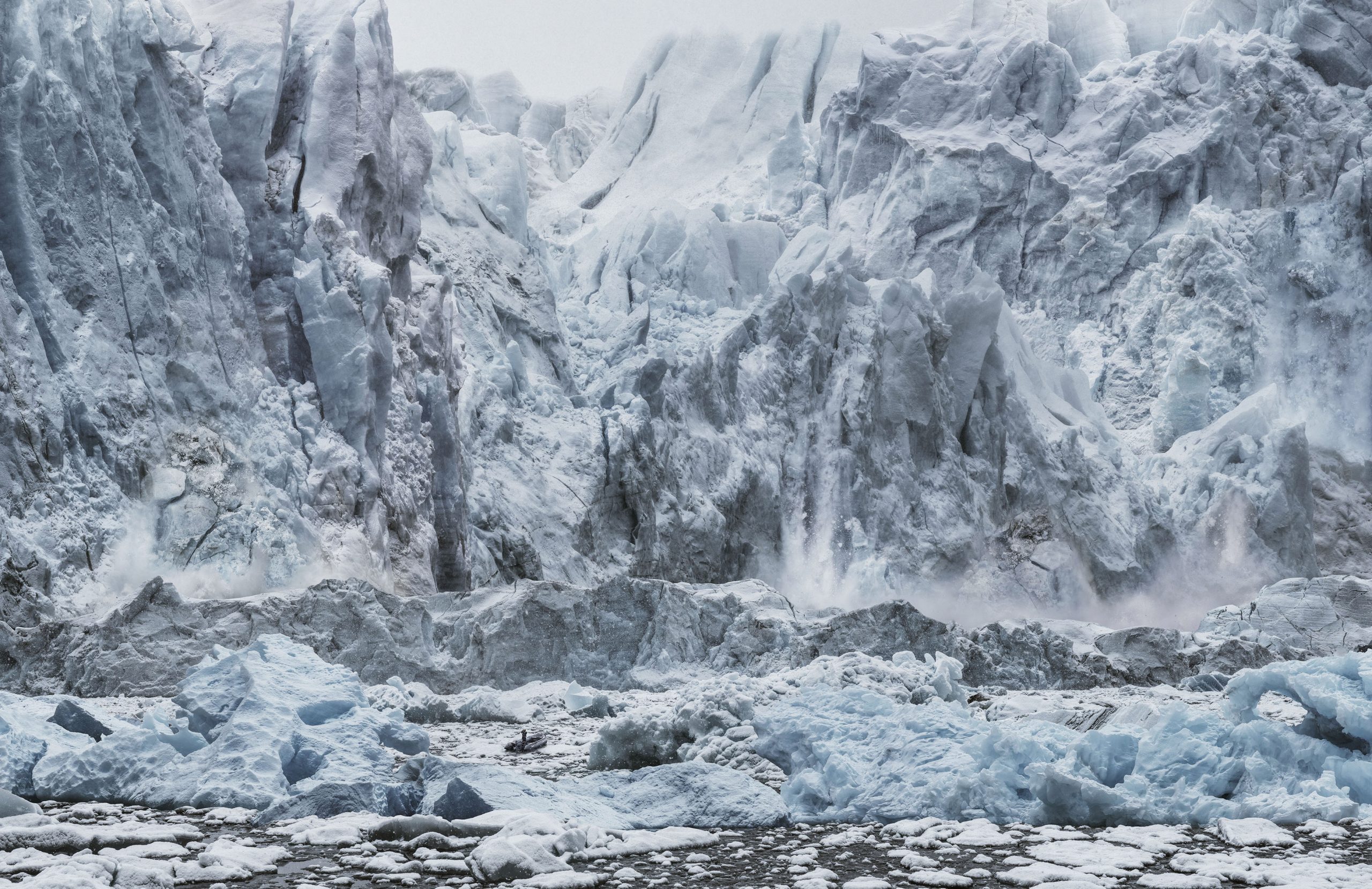
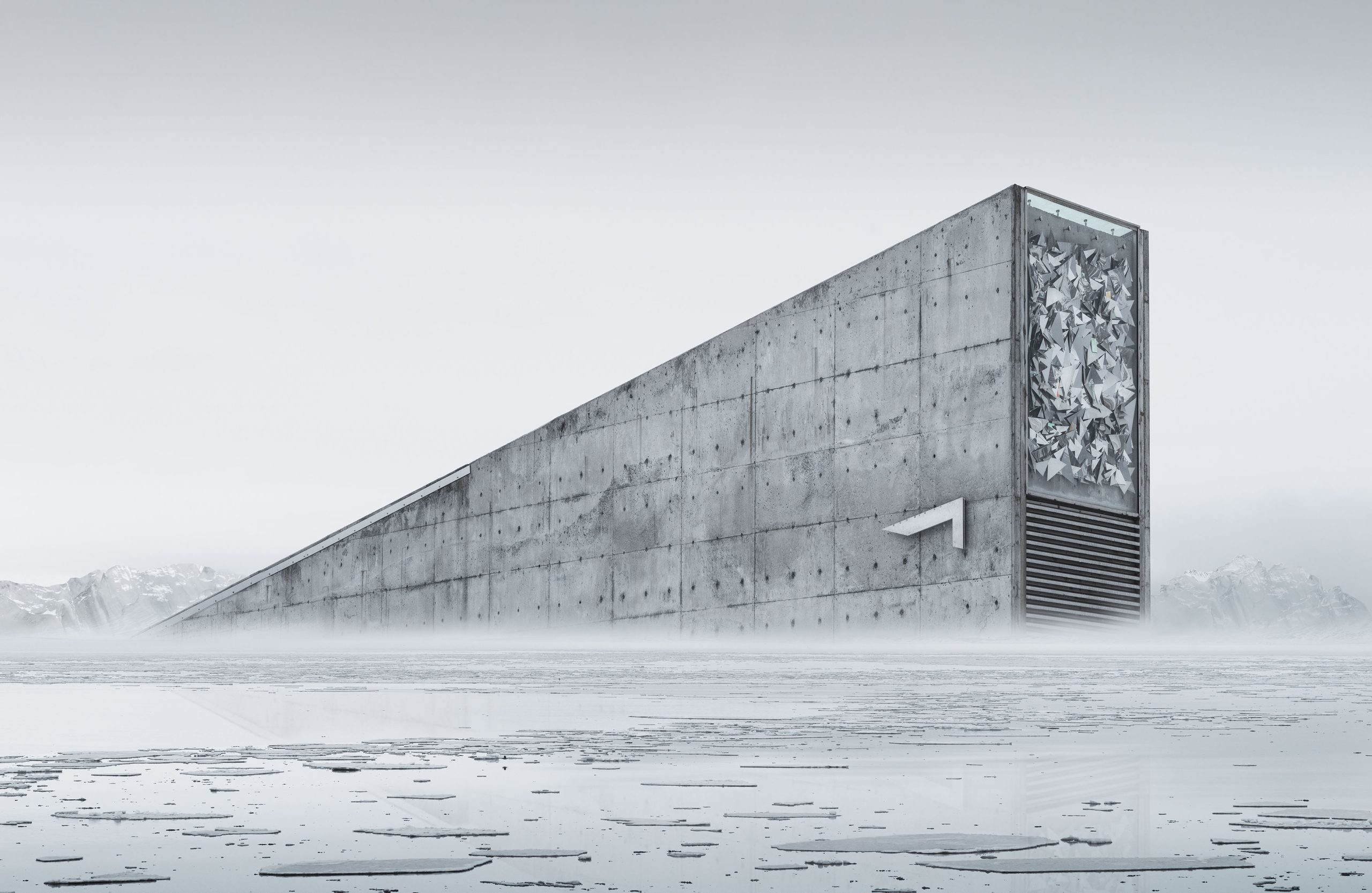
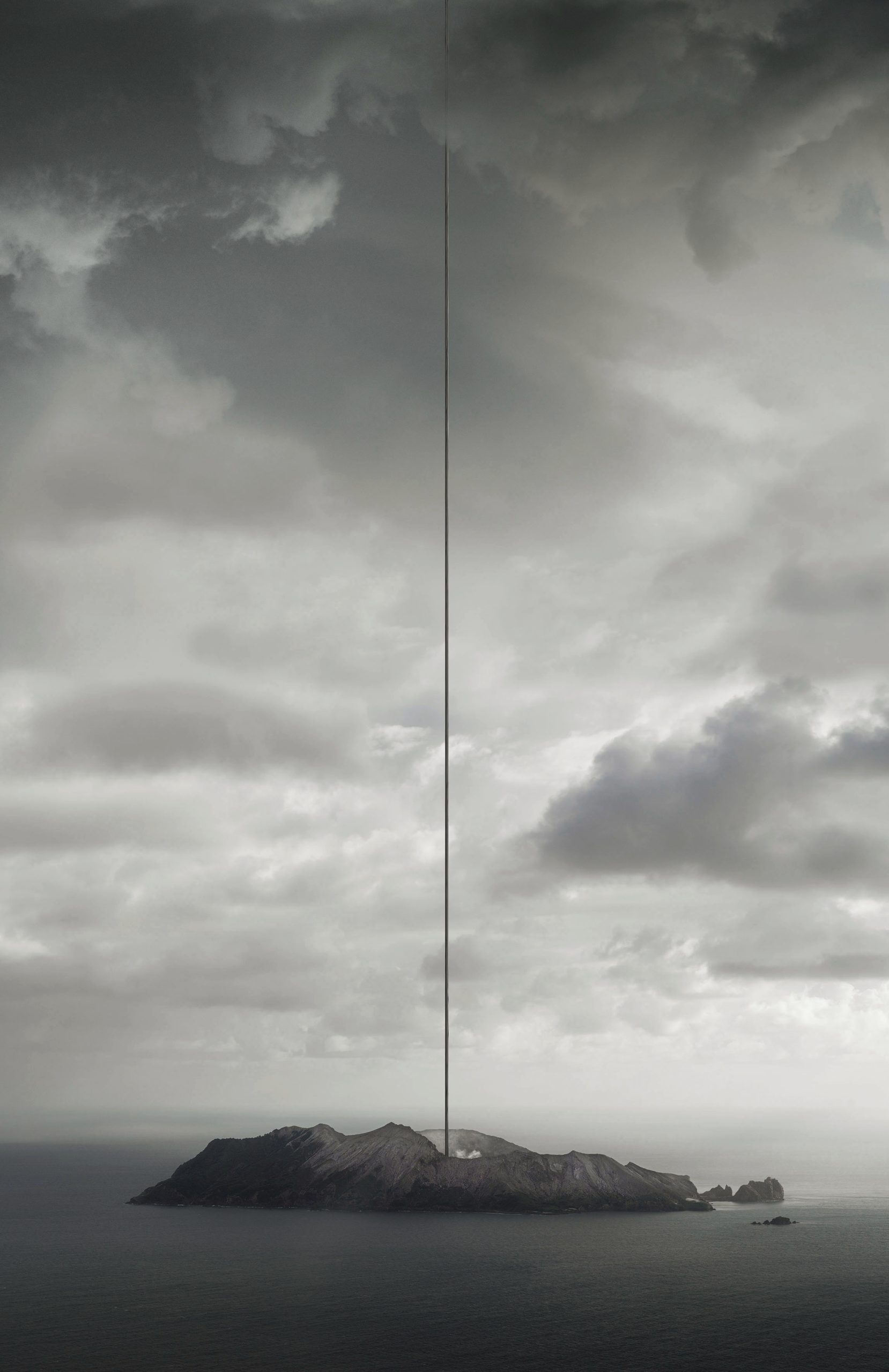
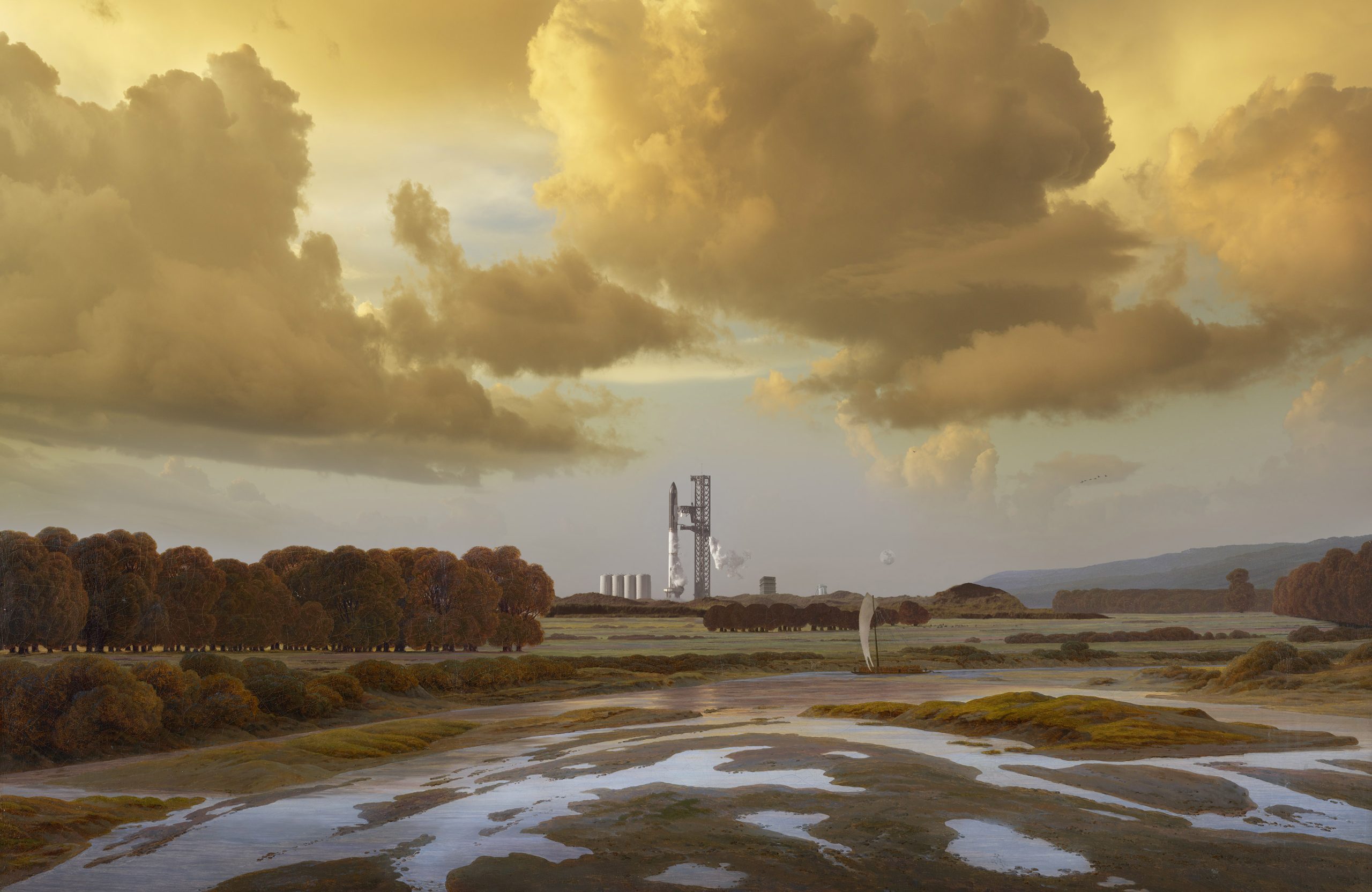
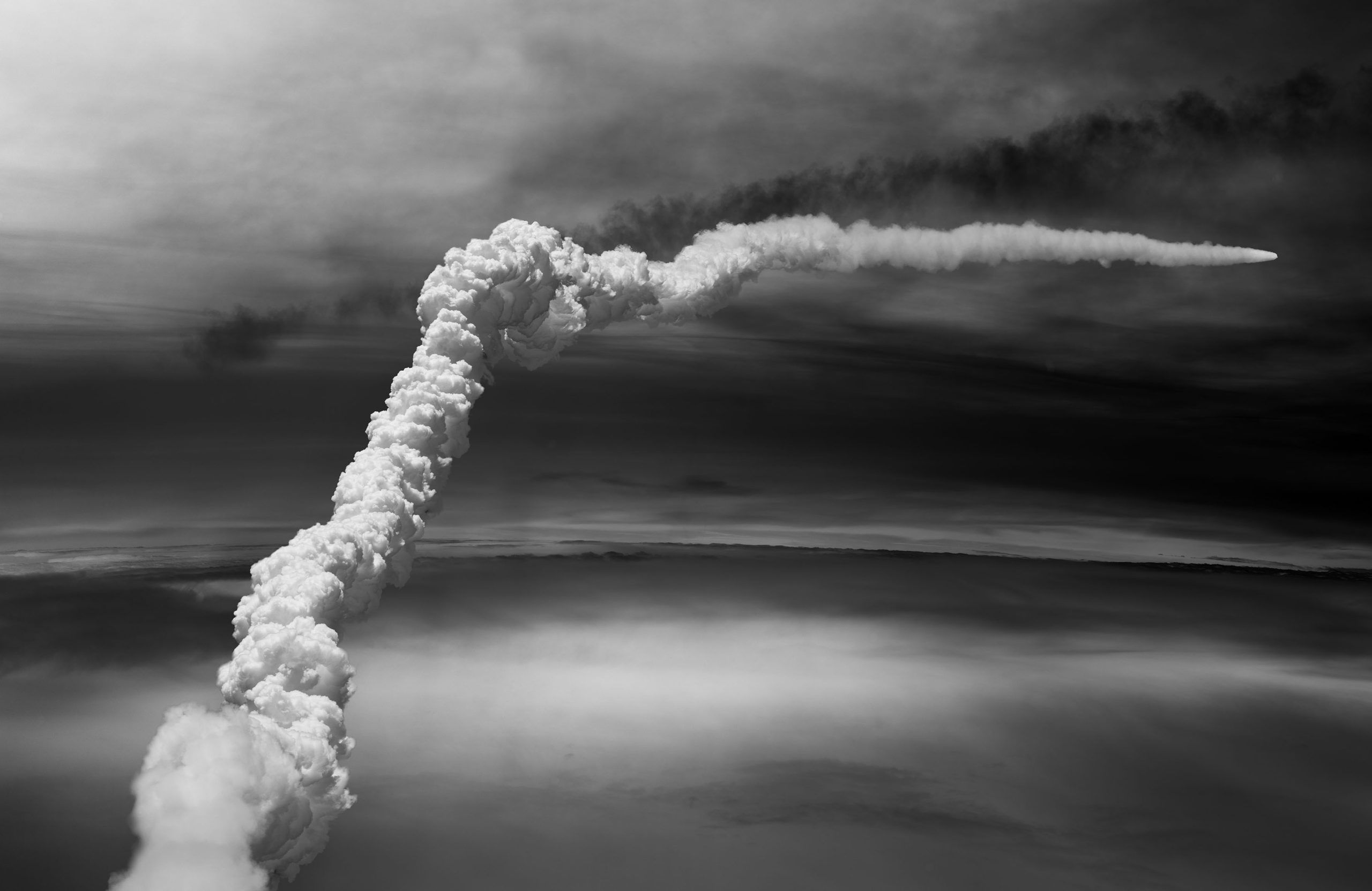
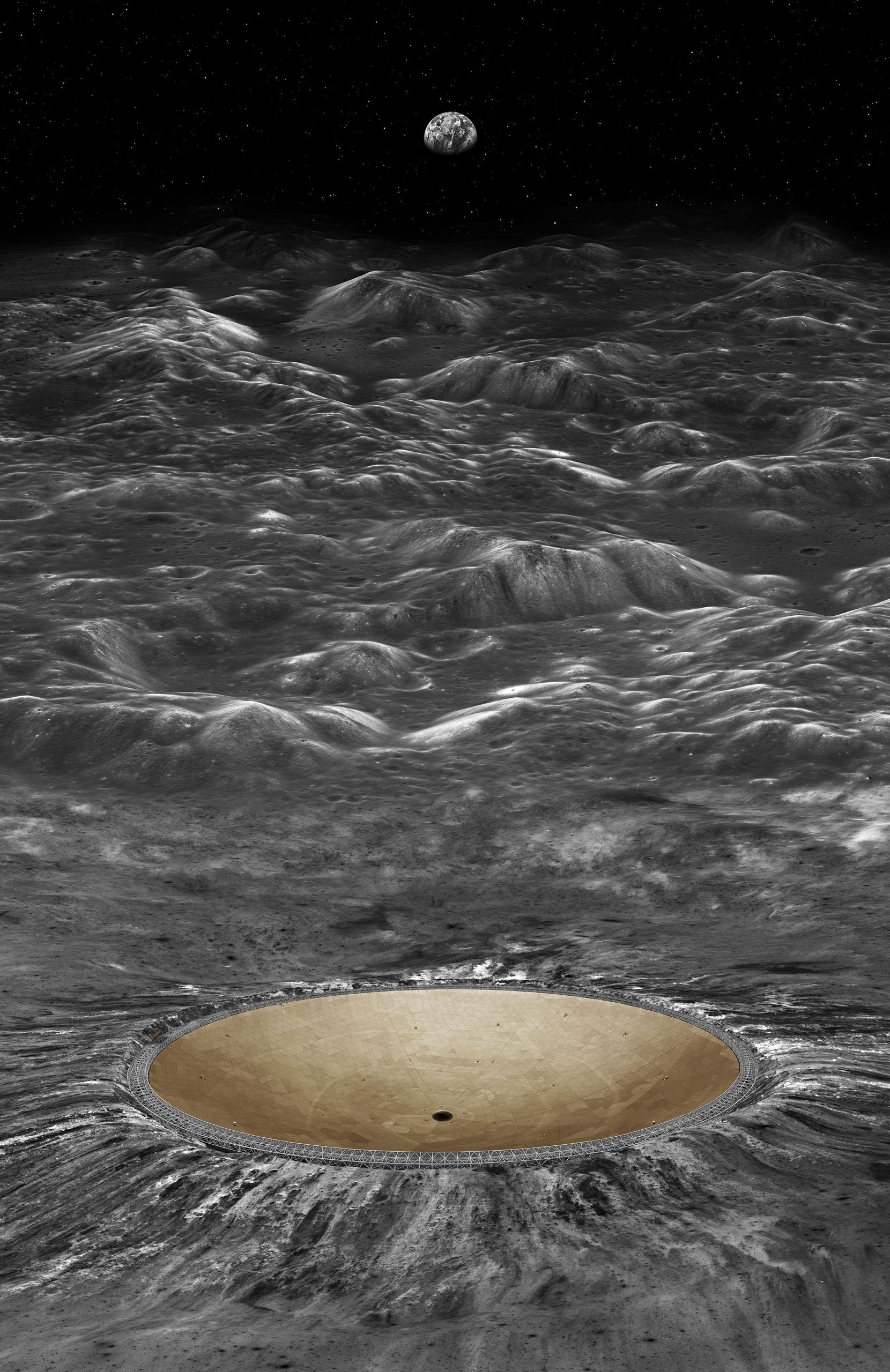
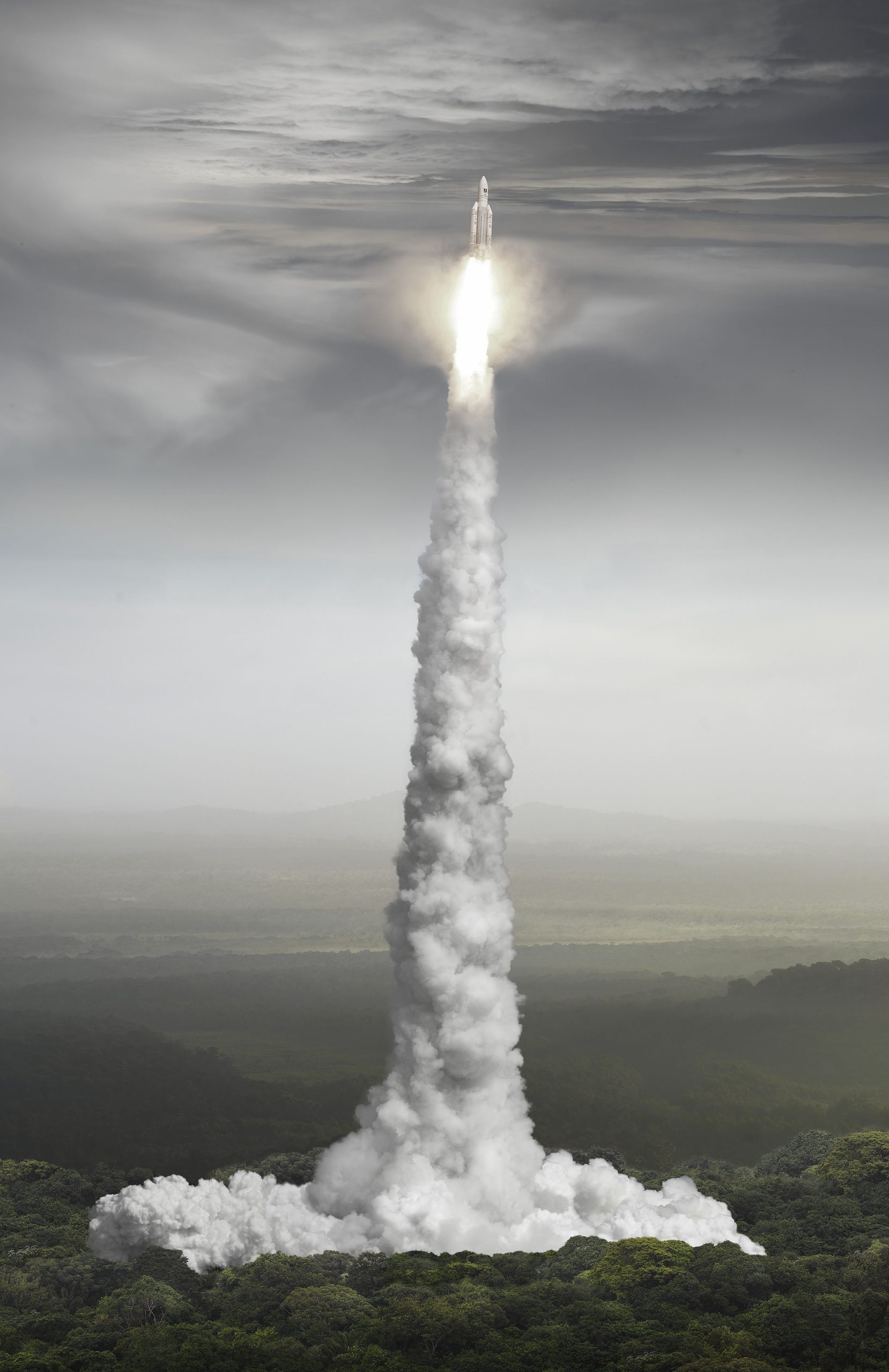
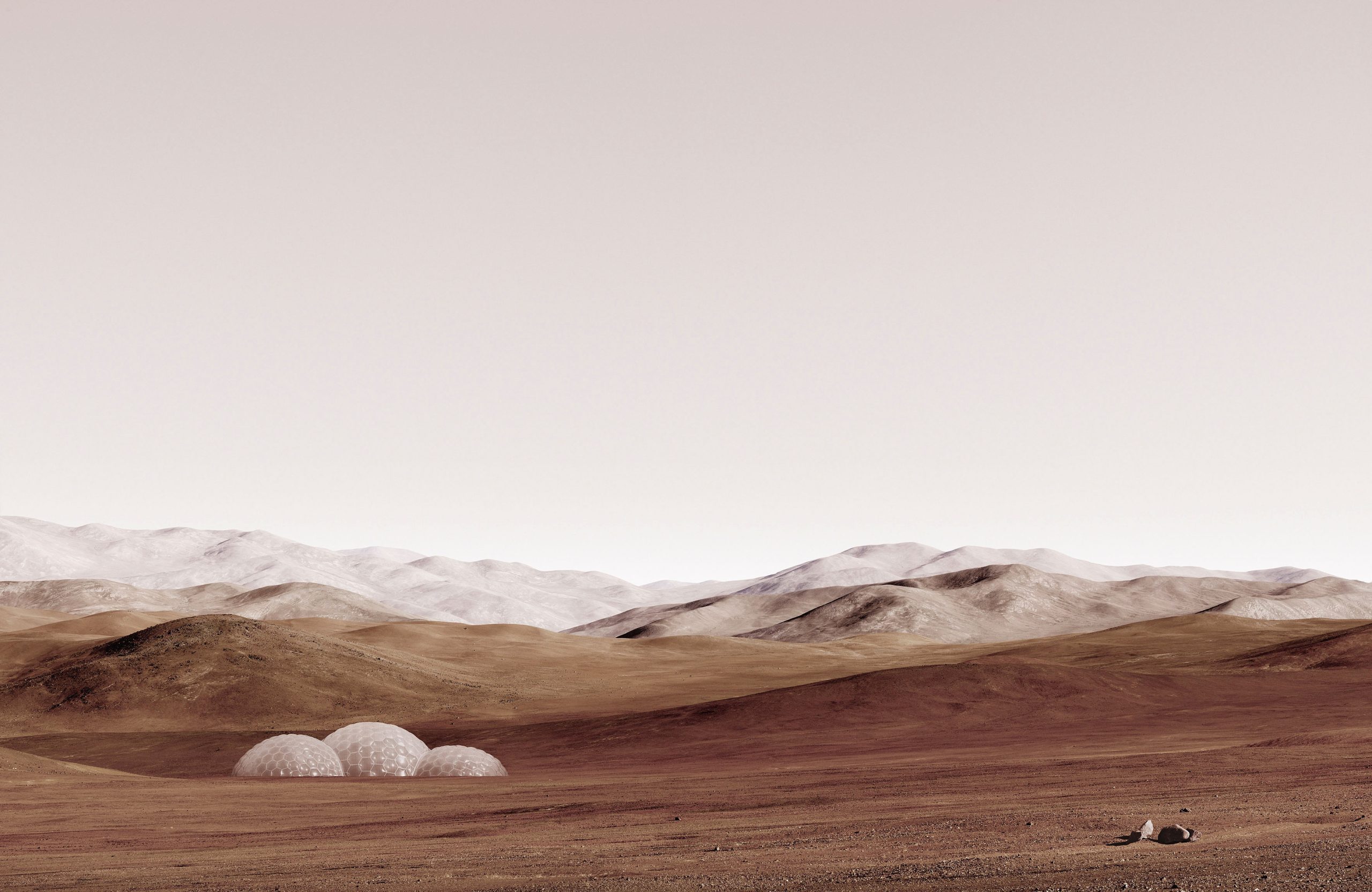
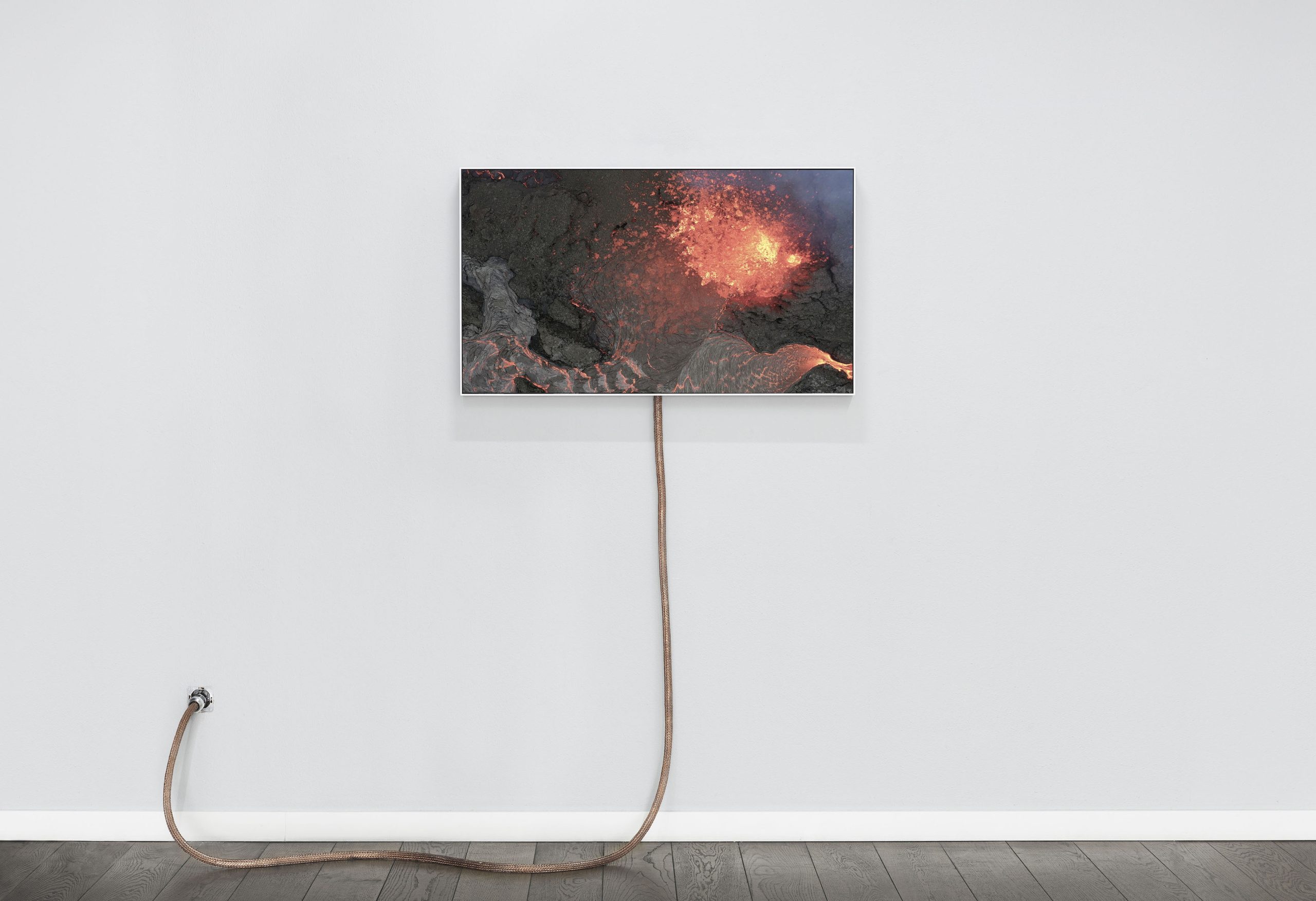
The works presented in the exhibition all revolve around moments of transition and states of in-betweenness: a collapsing glacier; a rocket launching from the jungle; dome habitats in a Mars-like landscape; a lunar crater equipped with technological infrastructure; a humanoid robot standing at the edge of the sea; an erupting volcano shaping a new landscape; a spacecraft departing into the cosmos from a romantic landscape painted at the beginning of the nineteenth century. Nothing has truly arrived anywhere. Everything is in transition; everything is leaning toward transformation. Turbulence is omnipresent.
The exhibition brings together selected works from Michael Najjar’s internationally highly acclaimed series “outer space” and “cool earth,” which have never before been shown in Portugal and are presented together in this constellation for the first time.
Michael Najjar (Germany, 1966) is an internationally acclaimed visual artist, explorer, and future astronaut whose work operates at the intersection of art, science, and technology. Working across photography, video, and digital imaging, he investigates the impact of technological innovation on contemporary society, addressing themes such as artificial intelligence, biotechnology, financial markets, space exploration, and climate change. His practice combines interdisciplinary research, collaborations with scientists, and firsthand experiences in extreme environments, including astronaut training, to reflect on the possible futures of humanity in a world increasingly shaped by technology.
.